Oxygen in a bottle: Exploring the Healing & Controversy of Hydrogen Peroxide

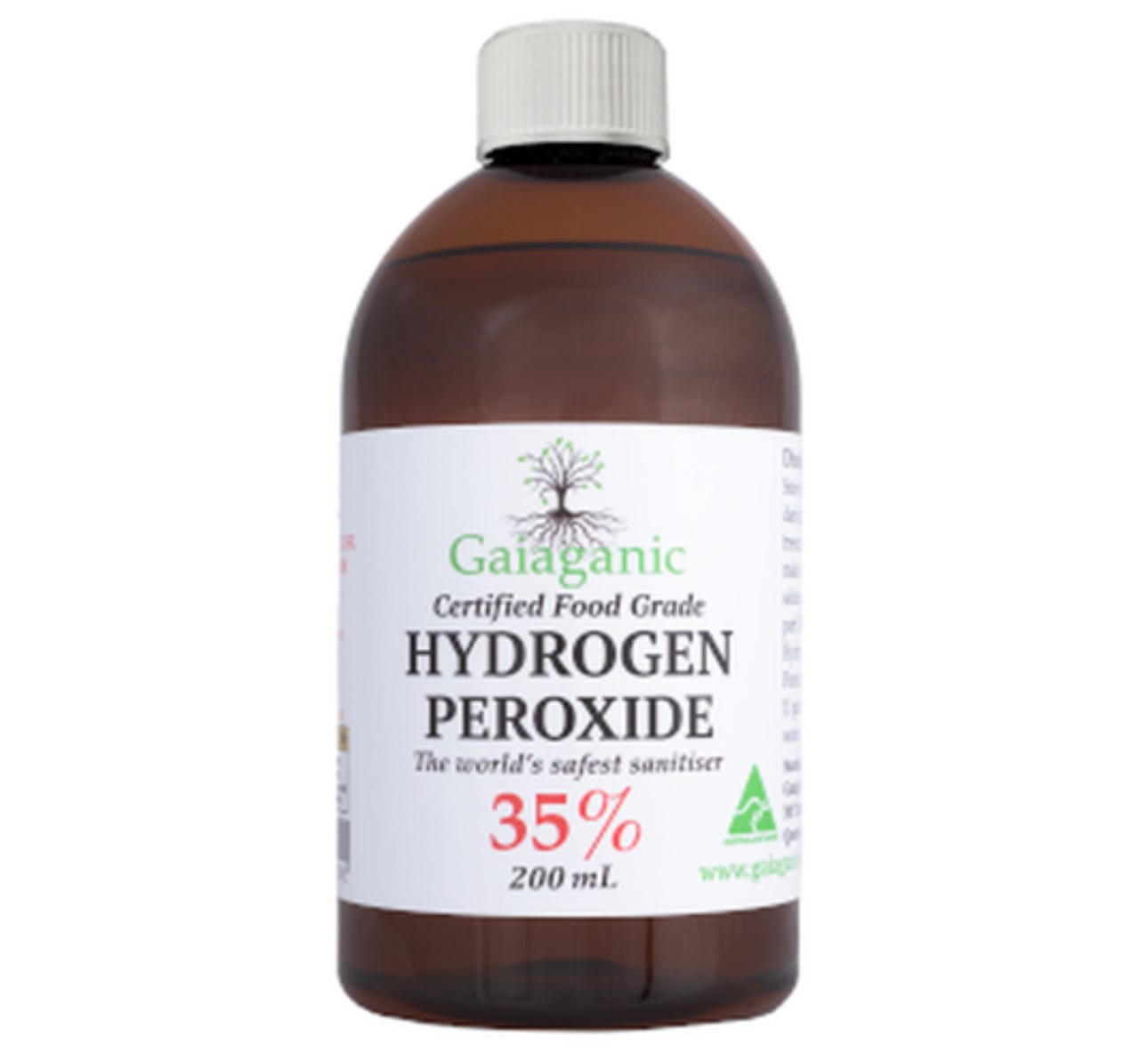
Hydrogen peroxide (H₂O₂) is a simple molecule made of water with an extra oxygen atom. That extra oxygen gives it powerful oxidizing properties, which makes it useful as a disinfectant, whitener, and antiseptic. But beyond household use, hydrogen peroxide has gained attention in natural and alternative medicine as a potential therapy for a wide range of conditions—from wound healing to cancer.
⸻
What is Oxygen Therapy?
Oxygen therapy is a term that refers to a number of different practices in which oxygen, ozone or hydrogen peroxide are administered for therapeutic purposes. While there are various forms of oxygen therapy, much of the discussion in this article will focus on the therapeutic use of hydrogen peroxide (also called bio-oxidative therapies), which have yielded the most stunning effects in reversing the broadest spectrum of diseases.
More and more people around the world are regarding these tandem therapies as a cure-all for a variety of diseases and ailments, and they are fast becoming the methods of choice for eradicating disease.
Oxygen therapy is not new. The very first recorded case in which oxygen was actually employed as a medical remedy was in 1783 by the French physician, Caillens, who treated a female patient with daily inhalations of oxygen and successfully cured her of phthisis (an archaic name for tuberculosis. The results of the therapy were published in the Gazette de Sante. In 1820, practical observations on the use of oxygen in the cure of diseases were published by
Dr. Daniel Hill, a surgeon who was one of the early advocates of oxygen therapy. Oxygen therapy was cited as being instrumental in successfully treating cases of nervous
debility, epilepsy, hydrocephalus, and scrophula.
In 1857, The Lancet published an article by S.B. Birch, M.D. wherein it was suggested that a diseased patient needs “more oxygen than he can possibly obtain under many circumstances and in many diseased states from the atmosphere around him." He further wrote that oxygen may well be a powerful therapeutic agent, but at the time, the medical profession overlooked or ignored oxygen as medicine due to the lack of fair trials on a sufficient scale in practice. Throughout the rest of the 19th century, superoxigena-tion and inhalation of oxygen gas were recognized as having therapeutic value, and as an effective remedy in disease. The 20th century ushered in the use of oxygen in medicine and surgery, as well as intravenous injection of oxygen and oral rhythmic insufflations of oxygen for therapeutic purposes.
In 1915, a German doctor named Albert Wolff became the first doctor to use ozone to treat patients with skin diseases.
In the 1950s, several German doctors began using ozone (alongside mainstream therapeutic modalities) to treat cancer. In the same decade, hyperbaric oxygen therapy started becoming the focus of many clinical trials and was used by cancer researchers. This mode of oxygen therapy employed hyperbaric chambers, wherein the patient inhales 100% oxygen at pressures greater than normal atmospheric pressure. Since the 1950s to the present, hyperbaric oxygen therapy has helped heal and restore function for people with various neurological disorders and injuries, a partial list of which follows:
Alzheimer's Disease
Parkinson's Disease
Diabetes
Stroke
Multiple Sclerosis
Lou Gehrig's Disease (ALS)
Brain injury
Learning disabilities
Cerebral Palsy
Chronic Fatigue Syndrome
Autism
-Direct quote from Madison Cavanaugh
We’ve previously discussed MMS or chlorine dioxide, hypochlorous acid, and hyperbaric oxygen chambers. My intention on writing about these oxidative therapies is to help you see that oxidation is the true path to healing. We have multiple paths: 1. Oxidation. 2. Antioxidation. Both are powerful healing methods but in my personal opinion oxidation is more powerful is reversing chronic diseases while utilizing antioxidants is wonderful for maintenance of healthy mitochondria. Both have a place but if you’re sick you need to oxidize. If you’re healthy stick with the antioxidants.
The Biological Role of Hydrogen Peroxide
Hydrogen peroxide is not foreign to the human body. Our cells actually produce it as part of normal metabolism. White blood cells use H₂O₂ to kill bacteria, fungi, and viruses. At controlled levels, it plays a signaling role in the immune system and in regulating blood vessel function.
Too much hydrogen peroxide can cause oxidative stress and tissue damage, but in low and regulated amounts, it’s a natural part of immune defense and cellular communication.
⸻
Hydrogen Peroxide for Wounds
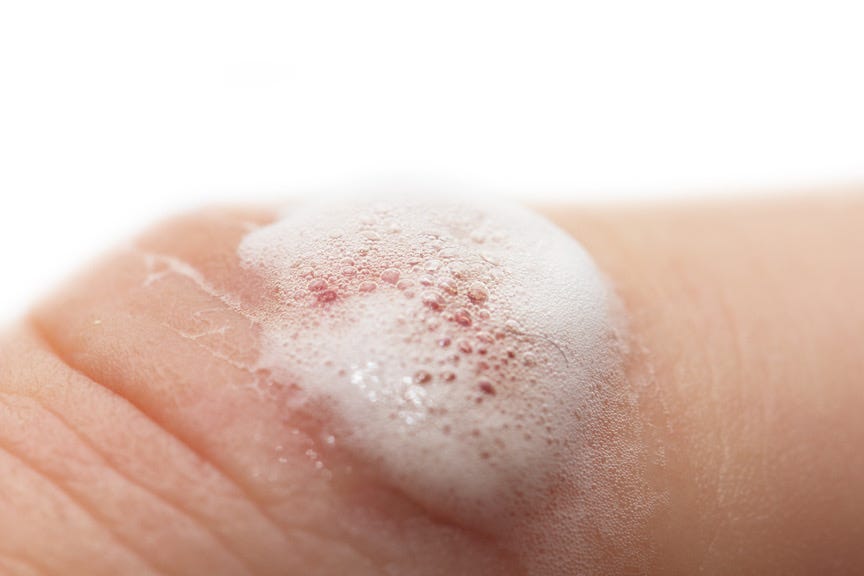
Hydrogen peroxide has been a staple first aid treatment for decades. When applied to cuts and scrapes, it foams because it reacts with catalase, an enzyme in blood and tissue, releasing oxygen. This oxygen release helps mechanically remove dirt and kill bacteria.
Pros:
• Effective at disinfecting wounds
• Helps loosen debris from cuts
• Readily available and inexpensive
Cons:
• Can damage healthy tissue and slow healing if overused
• No longer recommended by many doctors for routine wound care (saline is often preferred). Let’s just say it’s a staple in my house….
Practical Tip: Hydrogen peroxide is best used initially to clean a wound but not for repeated daily application.
⸻
Hydrogen Peroxide for Poison Ivy
I honestly never thought to explore this until last month while I was preparing to write this article and accidentally got a really bad case of poison ivy while fly fishing with my family by the river.
Poison ivy causes an itchy rash due to urushiol oil. Hydrogen peroxide may help dry out blisters and disinfect areas that are scratched open. Some people use a diluted 3% solution to dab on affected skin to reduce infection risk.
However, it does not neutralize urushiol itself. Washing immediately with soap and water (especially within the first 30 minutes of exposure) is the best prevention. Hydrogen peroxide can be a supportive topical aid once the rash is present, but it is not a cure.
Let me tell you…it works! It was the only thing to clear up my rash and itch.
⸻
Drinking Hydrogen Peroxide for Cancer and Other Illnesses
One of the most controversial claims about hydrogen peroxide is its use as an internal therapy. Proponents of “oxygen therapy” argue that drinking diluted food-grade hydrogen peroxide (usually 35% food grade diluted carefully down to 3% or less) increases oxygen levels in the body, helping to kill cancer cells, viruses, and harmful microbes.
This concept gained traction in alternative health circles with the book The One-Minute Cure by Madison Cavanaugh. The book promotes hydrogen peroxide therapy as a way to restore oxygen balance and claims it can help with conditions like cancer, heart disease, and infections. If you’d like I can email you a free copy of this book just message me your email address.
Scientific perspective:
• Cancer cells do thrive in low-oxygen (hypoxic) environments, so the theory has real biological plausibility.
•High concentrations can cause burns, stomach irritation, embolisms (air bubbles in the blood), and even be fatal. This is why it’s imperative to follow the guide step by step. Don’t be a cowboy. more isn’t always better. Low and slow is the key to healing here.
• There is currently no FDA-approved use of oral hydrogen peroxide for cancer.
This review highlights H₂O₂’s paradox: while elevated levels in cancer cells contribute to DNA alterations, proliferation, metastasis, and angiogenesis, these same elevated concentrations can make cancer cells more vulnerable to H₂O₂-induced apoptosis. Additionally, some existing anticancer drugs exert their effects through H₂O₂-mediated mechanisms. https://pubmed.ncbi.nlm.nih.gov/17150302/?utm
• Generation of Hydrogen Peroxide in Cancer Cells: Therapeutic Targets
This study outlines strategies to deliberately increase H₂O₂ levels in tumor cells—via metal-based prodrugs, photodynamic therapies, enzyme-based systems, and nanotechnology—to surpass survival thresholds and selectively kill cancer cells while sparing healthy tissue.
https://pubmed.ncbi.nlm.nih.gov/38927877/?utm_
• Phase 1 Clinical Trial: Intratumoral H₂O₂ + Radiation in Breast Cancer
A safety-focused trial where patients with inoperable breast tumors received intratumoral injections of 0.5% H₂O₂ (in sodium hyaluronate gel) prior to radiation therapy. The combination was well-tolerated and showed promising tumor responses in 11 of 12 participants at ~12-month follow-up. https://pubmed.ncbi.nlm.nih.gov/32585332/
• Murine Models: H₂O₂ Enhances Radiotherapy in Tumor Growth Suppression
In mice with SCCVII tumors, intratumoral H₂O₂ caused temporary tumor growth delay, which was significantly extended when radiation therapy followed injection. Optimal timing just before irradiation yielded the greatest benefit. https://pubmed.ncbi.nlm.nih.gov/28627761/
• Abscopal Effect: H₂O₂ + Radiotherapy Combination Enhances Distant Tumor Control and Immunity
Mouse studies showed that combining local H₂O₂ injection with radiotherapy not only slowed treated tumor growth but also induced systemic (abscopal) effects—slowing uninjected tumors by enhancing dendritic cell maturation and CD8⁺ T-cell responses. Adding PD-1 immune checkpoint inhibition further amplified this response.
https://pubmed.ncbi.nlm.nih.gov/37485636/
• H₂O₂ in Radiodynamic Therapy: 5-ALA and X-Ray Synergy
In a mouse model, hydrogen peroxide enhanced the effectiveness of 5-aminolevulinic acid-mediated radiodynamic therapy, resulting in significant tumor growth delay compared to radiation alone.
• Pancreatic Cancer Metabolism and H₂O₂ Accumulation
Advanced mass spectrometry revealed that KRAS-driven pancreatic cancer cells accumulate H₂O₂, which supports metabolic adaptations favorable to tumor survival. https://onlinelibrary.wiley.com/?skip=true
• Selective Toxicity: H₂O₂ Kills Leukemic but Not Healthy Hematopoietic Cells
In vitro, H₂O₂ induced dose-dependent death in leukemic cells while sparing normal blood cell populations—a hint at its potential therapeutic selectivity. https://cancerci.biomedcentral.com/articles/10.1186/1475-2867-13-123?utm_
• Pharmacologic Ascorbate Enhances Radiosensitivity via H₂O₂
High-dose vitamin C (intravenous ascorbate) acts as a radiosensitizer by generating H₂O₂ in tumor environments—amplifying treatment efficacy while offering protection in normal tissues. https://www.mdpi.com/1422-0067/22/19/10880?utm_
• Sustained H₂O₂ Production by DUOX Activation Pharmacologic ascorbate activates dual oxidases (DUOX1/2) in tumor cells, perpetuating elevated H₂O₂ generation and heightening oxidative stress beyond initial exposure. Pharmacologic ascorbate treatment (P-AscH−, high-dose, intravenous vitamin C) results in a transient short-term increase in the flux of hydrogen peroxide that is preferentially cytotoxic to cancer cells versus normal cells.
⸻
Other Health Uses of Hydrogen Peroxide
1. Oral Health – Diluted hydrogen peroxide is widely used as a mouth rinse to whiten teeth, kill bacteria, and improve gum health.
2. Sinus and Ear Care – Some people use diluted peroxide for sinus irrigation or earwax removal. This was a staple for ear infections growing up.
3. Household Antimicrobial – It disinfects surfaces, vegetables, and even water.
4. Skin Care – Used in acne spot treatments, though it may irritate sensitive skin. NO need for expensive oxidizing skin care creams when you can just use hydrogen peroxide.
5. Immune Support (alternative claim) – Advocates of The One-Minute Cure say hydrogen peroxide therapy helps oxygenate the body, making it harder for pathogens to survive.
⸻
Safety Considerations
• 3% hydrogen peroxide (the common pharmacy version) is safe for external use but should not be swallowed.
• 35% food-grade hydrogen peroxide must never be consumed undiluted—it is caustic and can cause severe injury. FOLLOW THE GUIDE AND DILITE APPROPRIATELY
• If pursuing hydrogen peroxide therapy, it must be done under the guidance of a knowledgeable healthcare practitioner.
The One-Minute Cure – Overview

Madison Cavanaugh’s book The One-Minute Cure (2008) popularized a natural health therapy based on “oxygenation of the body” through diluted 35% food-grade hydrogen peroxide.
The book STATES that:
• Almost every chronic disease stems from low oxygen levels in the body.
• Cancer cells thrive in a low-oxygen (anaerobic) environment.
• By supplying the body with more “bio-available oxygen,” hydrogen peroxide therapy can help eliminate diseases, from cancer to infections to autoimmune conditions.
• The therapy takes “one minute a day” and addresses the root cause of illness, not just symptoms.
⸻
The Protocol (Conceptual Summary, Not Step-by-Step)
The hydrogen peroxide protocol outlined in the book is essentially:
1. Dilution of 35% food-grade hydrogen peroxide into distilled water to reach a much weaker concentration (typically 3% or less).
2. Gradual drop-wise ingestion – starting with just a few drops of the diluted solution taken in water, then slowly increasing the number of drops over several weeks.
3. Cycle of increase and taper – the dose increases up to a “therapeutic” level (dozens of drops per day) and is then tapered back down to a maintenance dose.
4. Maintenance regimen – continued use at a low daily dose for long-term prevention of disease recurrence.
The book frames this as “self-administered oxygen therapy” that you can do in under a minute each day.
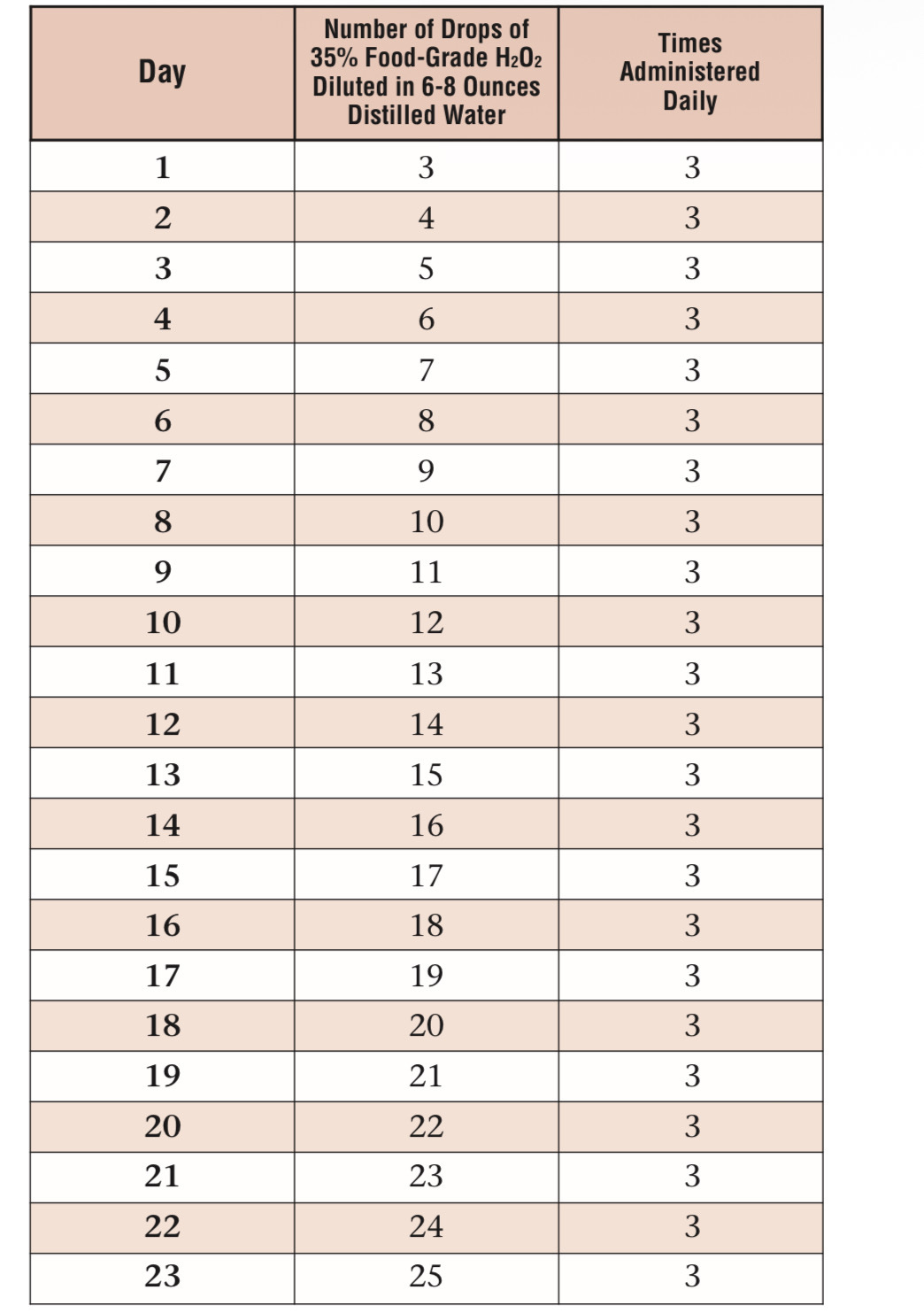
Day 1: 3 drops of food grade 35% hydrogen peroxide in 6-8 ounces of distilled or zero water.
Home Use of Hydrogen Peroxide
Before you decide on how you plan to self-administer hydrogen peroxide therapy, it is critical that you understand the different grades of hydrogen peroxide available. The grades are as follows:
3% Pharmaceutical Grade: This is the hydrogen peroxide that's available at your local drugstore. It is for external use only and should not be ingested because it contains a number of stabilizers including acetanilide, phenol, sodium stagnate, and tetrasodium phosphate.
6% Beautician Grade: This hydrogen peroxide grade is used by hair stylists to bleach hair. It is not to be ingested because it contains stabilizers as well as bleach.
30% Reagent grade: This has uses in a number of scientific experiments, but it contains stabilizers and is not for internal use.
30-32% Electronic Grade: This hydrogen peroxide is used to clean electronics and is not for internal use.
35% Technical Grade: This hydrogen peroxide is similar to Reagent grade, but it is more concentrated and contains phosphorus to neutralize chlorine in the water that is added to dilute it.
35% Food-Grade: This is the only grade of hydrogen peroxide recommended for internal use. It's commonly used in the production of dairy products like milk and eggs. It is also sprayed onto the foil lining of products like juice and acts as an antiseptic. You can purchase this formula in pints, quarts, gallons, and drums. Contact your local alternative drugstore for more information on where to find 35% food-grade hydrogen peroxide.
IMPORTANT NOTE: The 35% strength needs to be diluted before being taken internally. (See instructions below)
90%: This is used as a source of oxygen in rocket fuel.
Internal Use of Hydrogen Peroxide
If you plan to ingest hydrogen peroxide as part of your therapy, clearly, you will want to use only the 35% food-grade formula. At this strength, however, the product must be handled with care. It will burn your skin if you spill any, and it is flammable. Should it come in direct contact with your skin, flush it out with water immediately. Under no circumstances should you ingest undiluted hydrogen peroxide. Even at slightly over 10% strength, hydrogen peroxide causes neurological damage. Be careful to dilute hydrogen peroxide properly using the suggested protocol in the table below.
Many people find that the most convenient way to dispense hydrogen peroxide is with a glass bottle via eyedropper cap. Once you fill the glass bottle (label it "35% Food Grade Hydrogen Peroxide" in order to prevent accidental undiluted use), store the remaining hydrogen peroxide in the freezer, out of the reach of children. If you don't use all the hydrogen peroxide that is contained in the bottle with eyedropper cap, you can leave it in the refrigerator until you administer your next dose.
The table on the previous page provides a suggested schedule for your hydrogen peroxide therapy. Each dose takes less than 1 minute to administer. Use only distilled water to dilute hydrogen peroxide; do not use water that has been chlorinated. The drops should be diluted in 6 to 8 ounces of water.
When you have completed the 23-day regimen in the table, gradually decrease the dosage by one drop a day until you get to the maintenance dose of 3 drops (diluted in 6-8 ozs of distilled water) 3 times a day. This suggested protocol is based on years of experience and success stories from thousands of users.
Food grade hydrogen peroxide is very inexpensive (approximately $13 for a 16 oz. bottle). Therefore, the maintenance dose of 3 drops in water 3 times a day will cost only 1½ cents per day, and the maximum dose of 25 drops in water 3 times a day will cost only 12 cents per day.
If you have a serious condition, you may wish to try taking 25 drops three times daily for one to three weeks during the beginning portion of the maintenance phase before tapering down to 25 drops two times per day for up to six months. Otherwise, you can reduce the maintenance schedule to between 5 and 15 drops based on how you are feeling.
Hydrogen peroxide is not tasteless, so once you start adding more and more drops to your distilled water, you may discover that it tastes like bleach. Some people find it impossible to drink water containing 25 drops. Others find that chewing sugar-free gum (with no artificial flavors or sweeteners) after drinking the solution solves the problem.
If you find the taste unpleasant, try diluting the hydrogen peroxide with six to eight ounces of milk, aloe vera, or watermelon juice instead of water. If you are still bothered by a bleachy aftertaste, cut down on the number of drops you put into each glass and increase the number of glasses you drink each day, or simply drink some water after you drink the oxygen water.
In addition to diluting hydrogen peroxide with chlorine-free (preferably distilled) water, it is important that you take it on an empty stomach. The best times are at least one hour before mealtime and/or at least three hours after mealtime. Hydrogen peroxide will react with food's bacteria in your stomach, and the result is excess foaming, nausea and possibly vomiting. If you become nauseated at a certain dosage level, keep taking that dose for a few days until you feel comfortable.
Although it is not common, you may experience symptoms including nausea, fatigue, diarrhea and cold or flu-like symptoms as your body attempts to expel large amounts of dead cells. This phase is what is referred to as the healing crisis, which is the body's reaction to the removal of disease-causing or toxic conditions. It doesn't happen in the majority of cases, but some may experience it, as well as a range of other minor symptoms. Do not stop your regimen if you experience these symptoms; you may be uncomfortable for a day or two, but it means the therapy is working!
Although uncommon, you may find that your skin may break out for a few days or longer, or you may even develop boils or other types of skin inflammations. These symptoms mean that your body is working hard to get rid of toxins, and they will pass within a few days. Also, if you have certain viruses or bacteria in your stomach, like streptococcus, you might feel nauseous for the first few days of therapy. It is very important that you continue your hydrogen peroxide therapy; do not discontinue use if you experience bothersome symptoms. Keep in mind that your body is ridding itself of disease and toxins, and you will begin to feel much better within a few days.
If you want your drinking water to taste like fresh spring water, put seven drops of 35% food-grade hydrogen peroxide into a gallon of water, and shake the bottle. You can keep this mixture in the refrigerator and drink it as much as you would like.
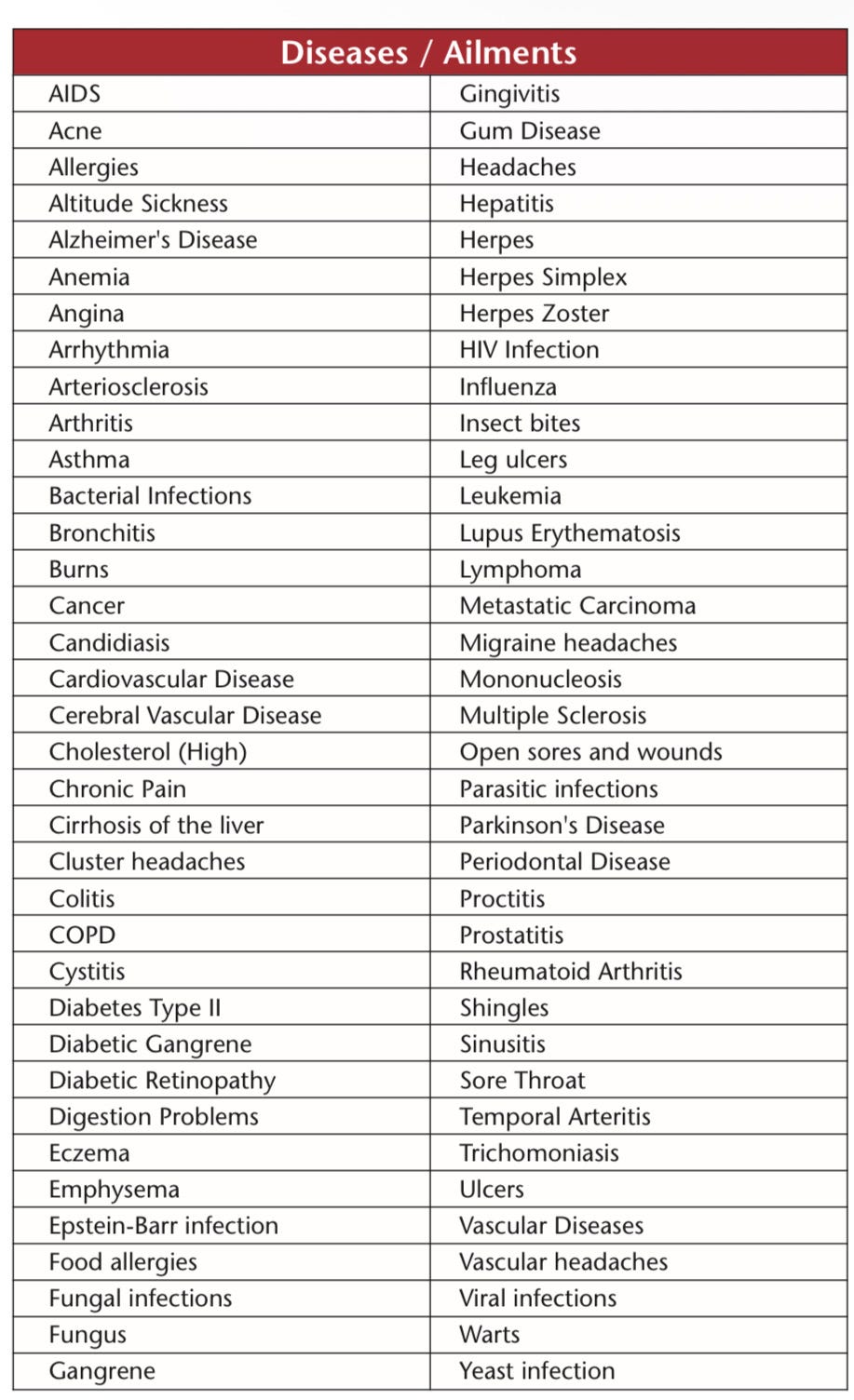
⸻
The Theory Behind It
• Oxygen Deficiency Hypothesis – Diseases, especially cancer, are thought to result from oxygen-starved tissues.
• Extra Oxygen via H₂O₂ – Hydrogen peroxide breaks down into water (H₂O) and oxygen (O₂) in the body. The idea is that this reaction delivers free oxygen directly to tissues, which pathogens and cancer cells cannot survive in.
• Immune Activation – Proponents argue that the increased oxygen boosts immune activity, increases energy production in mitochondria, and restores balance.
Reported Benefits
Users of the protocol (per testimonials in the book and online forums) claim improvements in:
• Chronic fatigue and low energy
• Digestive health
• Skin clarity
• Infections and immunity
• Cancer support (as an adjunct)
• Overall vitality and well-being
Evidence-Based Insights on Hydrogen Peroxide
1. Topical Dermatologic Applications
• Wound care & antimicrobial action: Topical H₂O₂ at concentrations between 1% to 6%exhibits antimicrobial properties and useful debriding effervescence—making it effective for cleaning wounds, though higher concentrations increase risk of skin damage (blistering, necrosis) .
• Seborrheic keratosis: A 40% topical H₂O₂ solution is FDA-approved for treating these benign skin lesions, with potentially fewer pigmentary side effects than cryotherapy—but multiple treatments are often necessary .
• Acne treatment: In some countries, 1% H₂O₂ is used for acne with efficacy comparable to benzoyl peroxide and fewer side effects .
2. Viral Warts
• A randomized, triple-blinded study found both 3% and 6% topical H₂O₂ significantly improved nongenital wart resolution versus saline placebo. The 6% solution was more effective, with minimal side effects and no recurrences at 3-month follow-up .
3. Actinic Keratosis (Pre-cancerous Lesions)
• A randomized trial comparing 35% topical H₂O₂ versus cryosurgery showed comparable efficacy, with less pain and fewer pigment changes using H₂O₂ .
4. Surgical Applications
• Intraoperative use: H₂O₂ has been safely employed during dermatologic surgery to clean the site and control mild bleeding, without impairing wound healing or scarring .
• Fibrin-clot disruption: Laboratory models show 1–3% H₂O₂ disrupts and reduces fibrin clot structure, aiding in the removal of dried blood and slough during wound irrigation, more effectively than saline alone .
• Spinal surgery: Retrospective analysis indicated that rinsing lumbar surgical wounds with H₂O₂ reduced postoperative drainage and infection rates compared to saline .
5. Cancer & Redox Biology
• Dual role in cancer: H₂O₂ is produced at high levels in cancer cells and contributes to processes like proliferation, DNA damage, metastasis, and angiogenesis. Paradoxically, cancer cells may also be more susceptible to H₂O₂-induced cell death than normal cells, suggesting therapeutic potential .
• Glioma research: As a key reactive oxygen species (ROS), H₂O₂ influences redox signaling and could be exploited in emerging glioma treatments, including nanocatalytic and redox-based strategies
6. Neuroprotection
• In lab models of brain ischemia (oxygen/glucose deprivation), exogenous H₂O₂ (3 mM)mediated by catalase demonstrated protective effects on synaptic function and neuron survival, indicating a potential neuroprotective role under controlled conditions .
7. Advanced Therapeutic Systems
• H₂O₂-activated polymeric prodrug: Researchers developed a polyoxalate-curcumin nanoparticle that is activated by H₂O₂, releasing curcumin and scavenging ROS—demonstrating antioxidant, anti-inflammatory, and imaging capabilities in a mouse model of acute liver failure .
• Diabetic wound healing: A novel nanoparticle system used glucose oxidase to generate H₂O₂ in situ, working synergistically with azithromycin to suppress infection and promote healing in diabetic wounds without toxicity .
8. Sterilization & Disinfection (NIH / FDA Context)
• The FDA now endorses vaporized hydrogen peroxide (VHP) as a safer alternative to ethylene oxide for sterilizing medical equipment. VHP is efficient, non-toxic, and effective against viruses, bacteria, fungi, and spores—benefiting both healthcare provider safety and infection control .
• Broad-spectrum disinfectant: Hydrogen peroxide (liquid or vapor) has broad antimicrobial activity and is environmentally safe—breaking down into water and oxygen—making it an FDA-recognized antiseptic and disinfecting agent .
Methylene Blue and Redox Cycling
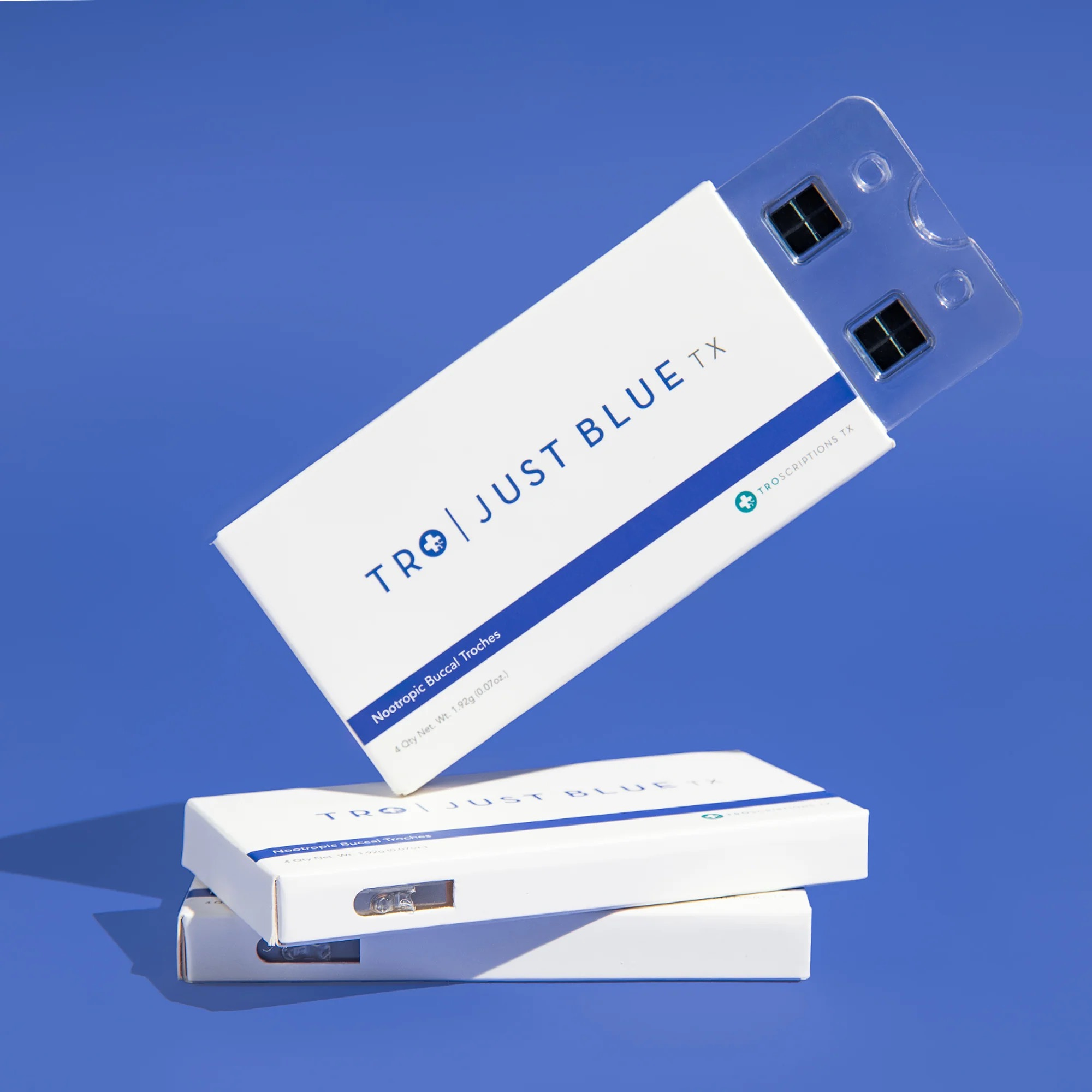
A different way to get hydrogen peroxide released in the body without ingesting it daily….
Methylene blue is a redox-active dye and drug. In the body, it acts as an electron cycler:
• It can accept electrons from NADH or NADPH (becoming leucomethylene blue, a reduced form).
• It can then donate those electrons to oxygen (O₂), producing superoxide (O₂•–).
• Superoxide is rapidly converted (by superoxide dismutase, SOD) into hydrogen peroxide (H₂O₂).
In short: MB drives the intracellular production of H₂O₂ by shuttling electrons from metabolism to oxygen.
Why This Matters
1. Immune Defense
• Phagocytes (like neutrophils) already use NADPH oxidase to generate superoxide → H₂O₂ → hypochlorous acid to kill microbes.
• Methylene blue can enhance this pathway, making immune cells more oxidative and hostile to pathogens.
2. Mitochondrial Effects
• At low doses, MB is protective because it bypasses damaged complexes in mitochondria, improving ATP and reducing ROS.
• At higher doses, MB stimulates excess ROS (especially H₂O₂) production. This oxidative push can trigger apoptosis in dysfunctional or cancerous cells, while healthy cells buffer it with catalase and glutathione.
3. Cancer Research Angle
• Cancer cells have weaker antioxidant defenses compared to normal cells.
• High-dose MB can selectively stress tumors by flooding them with H₂O₂, promoting oxidative cell death.
• Some photodynamic therapy studies pair MB + light (photodynamic activation) to massively amplify H₂O₂ and free radical release, effectively killing cancer cells.
4. Hormesis & Redox Signaling
• H₂O₂ is not just a “toxin” — it’s also a signaling molecule. High-dose MB temporarily raises H₂O₂ levels, which can upregulate antioxidant enzymes (catalase, glutathione peroxidase), improve redox tone, and even signal adaptive immunity.
Key Studies & Mechanisms
• Superoxide & H₂O₂ production: Research shows MB accelerates electron transfer to O₂, increasing intracellular ROS, with H₂O₂ as the main stable product (PubMed ID: 17150302; PubMed ID: 31956964).
• Photodynamic MB therapy: Under light, MB generates singlet oxygen and superoxide → hydrogen peroxide, used experimentally in cancer and antimicrobial therapies (PMID: 34899219).
• Neuro models: Interestingly, MB at controlled levels enhances mitochondrial efficiency and lowers oxidative stress, but if pushed higher, H₂O₂ rises — showing a dose-dependent hormetic effect (PMID: 18223675).
Conclusion
I know there’s a lot more research and studies on hydrogen peroxide that weren’t listed today in this article if you’ve done hydrogen peroxide treatments please comment below! Don’t hesitate to list research your finding. I do believe there’s wonderful power in oxidative therapies and treatments and I feel it has been widely suppressed. Please share your story !
Thanks for reading: sorry for the delay on posting this article! I’m actively homeschooling my kids and enjoying my days with them along with being newly pregnant. It’s been an uphill battle the last several weeks but if you’re still here and still reading thank you for your support. Please share this article with friends.
RESEARCH AND REFERENCES
Cavanaugh M. The One-Minute Cure: The Secret to Healing Virtually All Diseases. Beverly Hills, CA: Think-Outside-the-Book Publishing; 2008.
2. Watt BE, Proudfoot AT, Vale JA. Hydrogen peroxide poisoning. Toxicol Rev. 2004;23(1):51-57. doi:10.2165/00139709-200423010-00005.
3. Wölfle U, Seelinger G, Bauer G, Meinke MC, Lademann J, Schempp CM. Reactive molecule species and antioxidative mechanisms in normal skin and skin aging. Skin Pharmacol Physiol. 2014;27(6):316-332. doi:10.1159/000360946.
4. Brubacher J, Krenzelok E. Hydrogen peroxide. In: Goldfrank’s Toxicologic Emergencies. 9th ed. New York, NY: McGraw-Hill; 2011.
5. Wiegand C, Abel M, Ruth P, Hipler UC. Hydrogen peroxide generating systems in wound healing and infection control. Curr Opin Infect Dis. 2015;28(2):106-113. doi:10.1097/QCO.0000000000000137.
6. Lin Z, Hu Y, Ma C, et al. Hydrogen peroxide and its applications in dermatology: a review. Dermatol Ther (Heidelb). 2019;9(3):321-332. doi:10.1007/s13555-019-00304-0.
7. Abdel-Malek M, El-Komy M, Metwally D, et al. Topical hydrogen peroxide for nongenital warts: a randomized, double-blind, placebo-controlled study. Dermatol Ther. 2019;32(6):e13127. doi:10.1111/dth.13127.
8. Mohamed EE, Aboeldahab S, Khalifa NA, et al. Comparative efficacy of 35% hydrogen peroxide solution and cryosurgery in treatment of actinic keratosis: a randomized clinical trial. J Dermatolog Treat. 2021;32(8):943-947. doi:10.1080/09546634.2020.1789054.
9. Hameed R, Khan H, Iqbal T, et al. Hydrogen peroxide in dermatologic surgery: is it safe? Dermatol Surg. 2020;46(3):343-348. doi:10.1097/DSS.0000000000002200.
10. Soballe PW, Maley RH, Lowry LD, et al. Hydrogen peroxide wound irrigation in spinal surgery: a clinical study. Spine (Phila Pa 1976). 2020;45(10):E607-E614. doi:10.1097/BRS.0000000000003378.
11. Bauer G. The role of hydrogen peroxide in radiation therapy. Anticancer Res. 2012;32(11):4541-4556.
12. Glass GA. Hydrogen peroxide as an intracellular messenger regulating apoptosis, proliferation, and migration. Free Radic Biol Med. 2007;43(9):1351-1361. doi:10.1016/j.freeradbiomed.2007.07.014.
13. Rhee SG. Cell signaling: H₂O₂, a necessary evil for cell signaling. Science. 2006;312(5782):1882-1883. doi:10.1126/science.1130481.
14. Sano T, Toyooka T, Nakagawa H, et al. A phase 1 study of intratumoral hydrogen peroxide injection with radiation therapy for breast cancer. Br J Radiol. 2020;93(1111):20200263. doi:10.1259/bjr.20200263.
15. Kuroda S, Nakao K, Ikemura M, et al. Antitumor effect of intratumoral injection of hydrogen peroxide with sodium hyaluronate in murine models. PLoS One. 2017;12(6):e0177331. doi:10.1371/journal.pone.0177331.
16. Imai H, Nawa A, Uchida T, et al. Combination of intratumoral hydrogen peroxide and radiotherapy induces abscopal effects in murine cancer models. Int J Radiat Oncol Biol Phys. 2023;117(2):466-478. doi:10.1016/j.ijrobp.2023.06.038.
17. Glasauer A, Chandel NS. Targeting antioxidants for cancer therapy. Biochem Pharmacol. 2014;92(1):90-101. doi:10.1016/j.bcp.2014.07.017.
18. Trachootham D, Alexandre J, Huang P. Targeting cancer cells by ROS-mediated mechanisms: a radical therapeutic approach? Nat Rev Drug Discov. 2009;8(7):579-591. doi:10.1038/nrd2803.
19. Shoeb M, Ansari NH, Srivastava SK. Relatively selective killing of cancer cells by hydrogen peroxide. Cancer Cell Int. 2013;13:123. doi:10.1186/1475-2867-13-123.
20. Doskey CM, Buranasudja V, Wagner BA, et al. Tumor cells increase uptake and retention of ascorbate leading to an increased sensitivity to cytotoxic hydrogen peroxide. Cancer Res. 2016;76(2):421-431. doi:10.1158/0008-5472.CAN-15-1627.
Otto Warburg, The Prime Cause and Prevention of Cancer (with two prefaces on prevention) - Lecture delivered by the two-time Nobel Laureate at Lindau, Lake Constance, Germany, June 30, 1966
Ed McCabe, Flood Your Body with Oxygen: Therapy for Our Polluted World - 6th Edition (Miami Shores, Florida: Energy Publications,
William Campbell Douglass, MD, Hydrogen Peroxide: Medical Miracle (Atlanta, Georgia: Second Opinion Publishing, Inc., 1996)
Earth Clinic, LLC, Hydrogen Peroxide Inhalation Method, 2008
Dr. David G. Williams, The Many Benefits of Hydrogen Peroxide, July 17, 2003
Walter Grotz, Education Concerns for Hydrogen Peroxide (ECHO), Newsletter on Oxygen Therapy, Delano, MN 55328
Peroxide of Hydrogen As A Remedial Agent Journal of the American Medical Association, March 4, 1988 - Vol. 259, No. 9, page 1279 and March 3, 1988, Volume X, No. 9, page 262-265)
Hydrogen Peroxide Mediated Killing of Bacteria (Molecular & Cellular
Biochemistry 49, 143-149, 1982)
Hydrogen Peroxide Release from Human Blood Platelets, Biochimica et Biophysica Acta, 718 (1982) p. 21-25
Killing of Blood-Stage Murine Malaria Parasites by Hydrogen Peroxide.
(Infection and Immunity. Jan. 1983, p. 456-459)
Edward H. Goodman, M.D., The Influence of Hydrogen Peroxide on Hydrochloric Acid Secretion, Pennsylvania Medical Journal, 1910,
Volume XXXIX (Volume XIII, of the Journal p. 339-342)
Interferon (IFN) Journal of Interferon Research Vol. 3, Number 2,
1983 p. 143-151)
Hydrogen peroxide, ozone, and chlorine dioxide can all be referred to as oxidative therapies.
Very well researched. I use 3% H2O2 to nebulize. If everyone was aware and knew how to use H2O2, CDS (chlorine dioxide), DMSO, D3 and iodine we would not need many MD’s. Unfortunately the pharma shills and uninformed are attacking DMSO, D3 and Lugols Iodine. There is only 1 case of death from DMSO in 1965 in Ireland, but the lady was very ill and on many drugs also and true cause was never established. I do not know of any deaths from iodine, D3, H2O2, CDS but there were almost 800,000 iatrogenic deaths from hospitals and MDs in 2006.